Welcome to Halfworld
A persistent wasteland, meaningful milestones and room to find your own way. Here’s the game we’re building, and a first look at Fallout Zero.
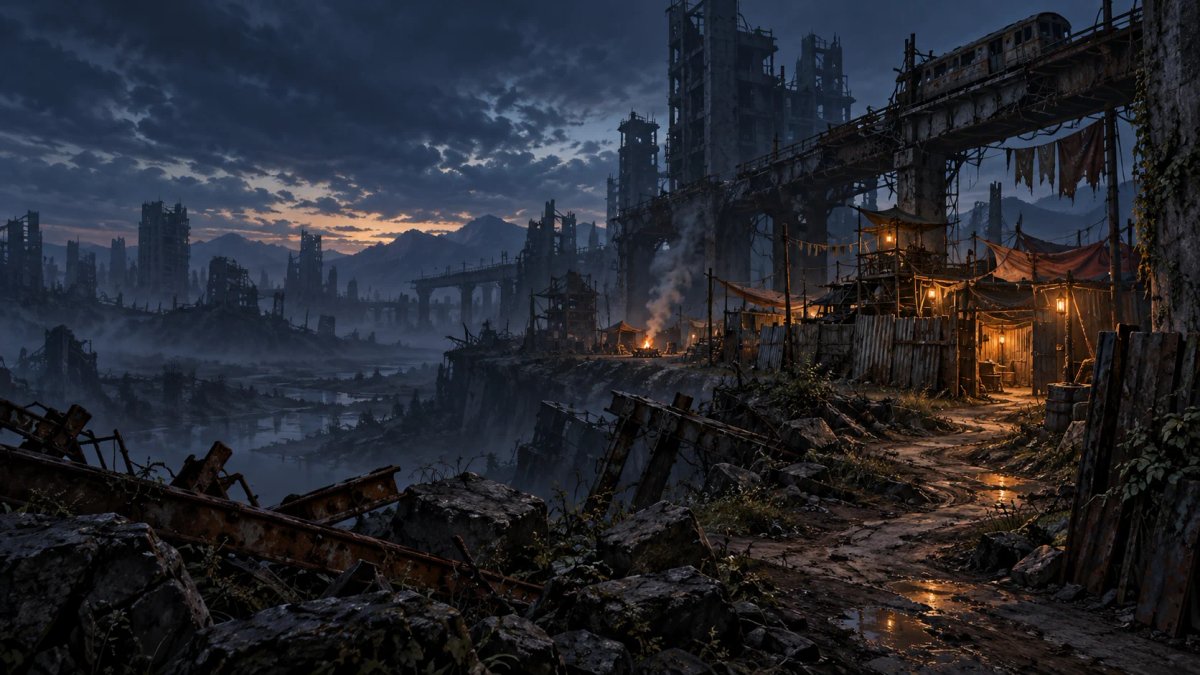
Hello survivors.
Welcome to Halfworld, and to our first dev log. We’re building a persistent, browser-based post-apocalyptic RPG where a handful of supplies and a small shelter can become the beginning of something much bigger.
Before we get into updates and seasonal rewards, we want to talk about the kind of game we’re making. Halfworld is built around a simple idea: the things you earn should feel worth earning.
A game that grows with you
We’re designing Halfworld to be played over months and beyond. Skills take time to develop. Better equipment takes preparation. A property begins as a goal, becomes a purchase you’ve saved for, and then gives you a whole new set of things to work towards.
That pace matters. When you finally reach a skill milestone, put together the resources for an upgrade or finish an achievement you’ve been chasing, we want you to remember what it took to get there. The reward should carry some history.
Your first trawler should mean more than another button unlocked. It should be the boat you worked for.
We want the smaller sessions to matter too. A few useful activities, a good trade or one more step towards a crafting goal should leave you a little further along than you were yesterday. Those small gains are how a survivor’s story builds.
Find your own way through the wasteland
Some players will spend their time scavenging and preparing for tougher encounters. Others will focus on crafting, trading, growing crops or finding the right companions. You might care most about your loadout, your collection, your faction, or building a business that other players rely on.
We want all of those interests to have a place. You can specialise in something you enjoy, branch out when another skill catches your attention, and set your own next milestone.
The specialist properties are a good example. Reaching level 30 in Fishing unlocks the opportunity to buy a fishery. Getting it working means investing in the property and building a trawler, or buying one made by another player. That investment opens up specialist fishing activities and catches to work towards. Farming, Taming and Hunting have their own property paths too.
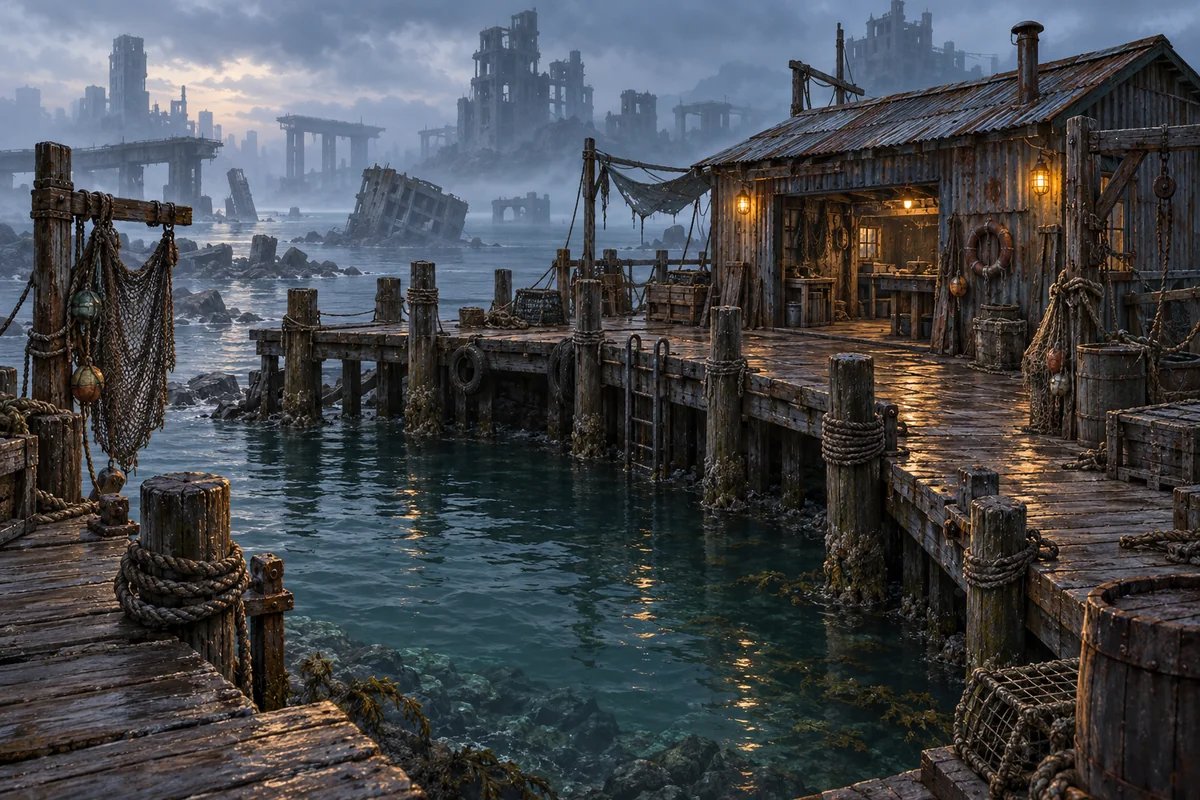
That is the direction we want to keep developing: skills that lead somewhere, useful things to make, and reasons for different kinds of players to trade with each other. The person building equipment and the person taking it out into the wasteland both have a part to play.
Make your first few visits count
Start with a goal small enough to see through. Pick an activity, watch what it costs and what it brings back, then decide what those rewards can help you do next.
- Learn the activity loop. Check the skill, time, energy and equipment requirements before starting. See how each completed activity feeds your next step.
- Keep an eye on your inventory. Supplies, crafting materials and spare equipment all have a use, but backpack space matters. Make room for what you’re working towards.
- Give yourself a next goal. A useful recipe, a stronger piece of gear or progress towards a property gives those individual activities a purpose.
Energy is part of that rhythm. While it recovers, there’s room to sort your inventory, compare equipment, look through recipes or check the market. Our aim is for preparing and planning to feel worthwhile alongside the activities themselves. You should also be able to finish a session knowing what you want to do when you return.
Season One: Fallout Zero
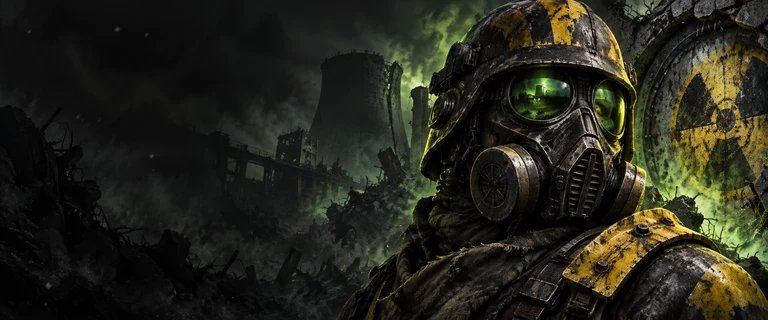
Our first season takes Halfworld into radiation-scarred territory. Fallout Zero brings a collection built around battered containment gear, hazardous materials and survivors who have spent a little too long near the hot zone.
The season pass has 49 levels, with progress earned through normal in-game activity. It has a free reward track and a premium track; players with premium access can claim both. Alongside supplies, the collection includes titles, emblems and other ways to give your survivor an identity.
The themed weapons and Reactor Warden armour are actual inventory items you can equip or trade. Their combat stats match counterparts obtainable through ordinary play. Their distinct appearance and place in the season’s collection are what make them special.
The wider Season One roadmap includes a radiation storm world event, daily and weekly contracts, login streaks, Faction Contests, and expanded faction communication. These are the season’s planned direction, with features at different stages of development and testing. We’ll use these dev logs to explain what is ready and what is still being worked on.
This is the beginning
Halfworld is still being built and refined. Progression, rewards and the way systems fit together will keep getting attention as we learn from people actually playing. Your feedback will help us spot the goals that feel satisfying, the moments that feel confusing, and the parts of the game that deserve more depth.
Field Notes will be our place for those conversations: development updates, practical guides, a closer look at new features, and the thinking behind the changes.
For now, pick something you want to become good at. Make your camp a little more useful. Find something worth saving for. We’re looking forward to seeing what you build.
See you in the wasteland.
— The Halfworld team